Somalia: De cómo las potencias coloniales mantienen al país sumido en el caos
Somalia tenía todo lo necesario para salir adelante: una situación geográfica privilegiada, petróleo, minerales y, algo raro en África, una sola religión y una única lengua para todo el país. Somalia hubiera podido ser una gran potencia regional. Pero la realidad es muy diferente: hambrunas, guerras, pillaje, piratas, atentados… ¿Cómo se ha desmoronado este país? ¿Por qué no existe un gobierno somalí desde hace casi veinte años? ¿Qué escándalos se ocultan tras los piratas que secuestran nuestros barcos? En esta nueva entrega de la serie “Comprender el mundo musulmán”, Mohammed Hassan nos explica por qué y cómo las potencias imperialistas han aplicado a Somalia la teoría del caos.
¿Cómo se ha desarrollado la piratería en Somalia? ¿Quiénes son los piratas?
Desde 1990, no existe un gobierno en Somalia y el país se encuentra en manos de los señores de la guerra. Los barcos europeos y asiáticos se han aprovechado de la situación caótica para pescar en las costas somalíes sin licencia alguna y sin respetar unas normas elementales. No han respetado las cuotas vigentes en sus países de origen para preservar las especies, y han empleado técnicas de pesca- en especial, dinamita- que han producido graves daños a la riqueza pesquera de los mares somalíes.
Pero eso no es todo. Aprovechándose, asimismo, de esta falta de autoridad política, las empresas europeas, ayudadas por la mafia, han vertido residuos nucleares a lo largo de las costas de Somalia. Europa estaba al corriente, pero ha cerrado los ojos porque esta solución presentaba ventajas prácticas y económicas para el tratamiento de los residuos nucleares. Por otra parte, el tsunami de 2005 depositó gran parte de esos residuos nucleares en las tierras somalíes, lo que ha ocasionado la aparición de enfermedades desconocidas entre la población de Somalia. Este es el contexto en el que se ha desarrollado, esencialmente, la piratería somalí. Los pescadores de Somalia, con técnicas rudimentarias, no estaban en condiciones de faenar, por lo que han decidido protegerse y proteger sus mares. Es exactamente lo mismo que hizo Estados Unidos en su guerra civil contra los británicos (1756-1763): al no disponer de fuerzas navales, el presidente Georges Washington llegó a un acuerdo con los piratas para proteger la riqueza de las costas estadounidenses.
¿Cómo es posible que desde hace casi veinte años no exista un Estado somalí?
Es la consecuencia de una estrategia estadounidense. En 1990, el país estaba conmocionado por los conflictos, el hambre y el pillaje, y el Estado se vino abajo. Ante la situación, Estados Unidos, que había descubierto unos años antes las reservas de petróleo de Somalia, lanzó en 1992 la operación Restore Hope [Restaurar la Esperanza], y por primera vez, los marines estadounidenses intervinieron en África para controlar el país. También por vez primera, una invasión militar se llevó a cabo en nombre de la injerencia humanitaria.
¿Se refiere a los famosos sacos de arroz exhibidos en una playa somalí por Bernard Kouchner?
Sí, todo el mundo recuerda las imágenes, cuidadosamente preparadas. Pero las verdaderas razones eran estratégicas. Un documento del departamento de Estado estadounidense preconizaba que, tras la caída del bloque soviético, Estados Unidos se mantuviera como la única super potencia mundial y, para conseguir este objetivo, recomendaba ocupar una posición hegemónica en África, muy rica en materias primas
Sin embargo la operación Restore Hope fue un fracaso. La película La chute du faucon noir [La caída del halcón negro] impactó a los estadounidenses con sus pobres soldados “asaltados por los perversos rebeldes somalíes”…
Ciertamente, la resistencia nacionalista somalí derrotó a los soldados estadounidenses y desde entonces, la política de Estados Unidos ha sido mantener Somalia sin un verdadero gobierno, es decir, balkanizarla. La antigua estrategia británica, ya aplicada en numerosos lugares: establecer Estados débiles y divididos para manejar mejor el tinglado. Esa es la razón de que no exista un Estado somalí desde hace casi veinte años: Estados Unidos mantiene su teoría del caos para impedir la reconciliación de los somalíes y mantener así al país dividido
En Sudán, tras la guerra civil, Exxon tuvo que abandonar el país después de descubrir la existencia de petróleo. ¿Dejar que Somalia se suma en el caos no es contrario a los intereses de Estados Unidos que no pueden explotar el petróleo hallado?
La explotación del petróleo somalí no es su objetivo prioritario. Estados Unidos sabe que las reservas están ahí y no tienen una necesidad inmediata de ellas. Para su estrategia, son otros dos los factores más importantes. Ante todo, impedir a sus competidores negociar ventajosamente con un Estado somalí rico y fuerte. Ustedes hablan de Sudán, y la comparación resulta interesante. El petróleo que las compañías petroleras descubrieron hace treinta años, ahora se vende a los chinos. Podría ocurrir lo mismo en Somalia. Cuando Abdullah Yussuf era presidente del gobierno de transición se fue a China, a pesar de estar apoyado por Estados Unidos, y los media estadounidenses criticaron ferozmente la visita. El hecho cierto es que EE.UU. no tiene garantía alguna en este tema: si mañana se estableciera un gobierno somalí, con independencia de su color político, podría adoptar una estrategia independiente de la estadounidense y comerciar con China. Así que los Estados occidentales imperialistas no quieren en modo alguno un Estado somalí unido y fuerte. El segundo objetivo, buscado mediante la teoría del caos, está relacionado con la situación geográfica de Somalia, estratégica para los imperialistas de Estados Unidos y Europa.
¿Por qué es estratégica?
Miren el mapa, para controlar el océano Índico. Tal como he dicho antes, las potencias occidentales tiene una gran responsabilidad en el desarrollo de la piratería en Somalia. Pero en lugar de decir la verdad y pagar indemnizaciones por lo que han hecho, criminalizan el fenómeno con el fin de justificar sus actuaciones en la región. Con el pretexto de combatir la piratería, la OTAN sitúa su marina de guerra en el océano Índico.
¿El verdadero objetivo?
Controlar el desarrollo económico de las potencias emergentes, en especial de India y China: la mitad de la flota mundial de transporte de contenedores y el 70% del tráfico total de productos petroleros pasa por el océano Índico. Y, desde el punto de vista estratégico, Somalia ocupa un lugar importante: el país tiene la costa más grande de África (3.300 kilómetros) y se encuentra frente al golfo Árabe y el estrecho de Ormuz, dos de los centros neurálgicos de la economía de la región. Además, si se llegara a una solución pacífica al problema somalí, las relaciones entre África e India y China podrían desarrollarse a través del océano Índico y los competidores de Estados Unidos podrían entonces influir en esta zona de África. Mozambique, Kenia, Madagascar, Tanzania, Zanzíbar, Sudáfrica…, todos ellos unidos por el océano Índico tendrían un fácil acceso al mercado asiático y podrían desarrollar unas relaciones económicas beneficiosas. Nelson Mandela, cuando era presidente de Sudáfrica, ya aludió a la necesidad de una revolución en el Índico con nuevas relaciones económicas. Proyecto que tanto Estados Unidos como Europa no quieren. Y esa es la razón por la que prefieren que Somalia siga sumida en el caos.
Usted afirma que Estados Unidos no quiere la reconciliación en Somalia, pero ¿Cuáles han sido los orígenes de las divisiones somalíes?
Para comprender la actual situación caótica, es preciso remontarse a la historia de Somalia, un país dividido por las fuerzas coloniales. En 1959, Somalia consigue la independencia con la unión de las colonias italiana del sur y británica del norte. Pero los somalíes viven además en ciertas zonas de Kenia, de Etiopía y de Djibuti. El nuevo Estado somalí, en principio, adopta como bandera una estrella, en la que cada punta representa una de las partes de la Somalia histórica. El lema que se incluye tras este símbolo es el siguiente: “Se han reunificado dos Somalias pero todavía quedan tres que siguen colonizadas”.
Ante la legimitidad de sus reivindicaciones, los británicos- que controlaban Kenia- organizaron un referéndum en la región del país que reivindicaba Somalia. El 87% de la población, originaria esencialmente de etnias somalíes se pronunció por la unión con Somalia. Pero al hacerse públicos los resultados, Jomo Kenyatta, líder de un movimiento nacionalista keniano, amenazó a los británicos con la expulsión de sus colonos si cedían una parte del territorio a Somalia. Y Gran Bretaña decidió entonces no tener en cuenta el resultado del referéndum y, todavía hoy, una importante comunidad de somalíes vive en Kenia. Hay que entender que estas fronteras coloniales han sido una verdadera catástrofe para Somalia. Es una cuestión que, por otra parte, ya ha sido motivo de un debate importante sobre el continente africano.
¿Qué estaba en juego en el debate?
En los años sesenta, mientras muchos países africanos alcanzaban la independencia, un debate enfrentó a los países pertenecientes a los grupos de Monrovia y de Casablanca. Este último, formado entre otros por Marruecos y Somalia, aspiraba a que se replantearan las fronteras heredadas del colonialismo, que en su opinión no tenían legitimidad alguna, ya que la mayoría de los países africanos y sus fronteras son producto del colonialismo. Finalmente, la Organización de la Unidad Africana (OUA), antecesora de la actual Unión Africana, puso fin al debate al decidir que las fronteras eran intocables, y volver a sus delimitaciones provocaría guerras civiles en todo el continente. Con posterioridad, uno de los promotores de la OUA, el tanzano Julius Nyerere, confesó que esta decisión fue la mejor pero que se arrepentía de ella en el caso somalí.
¿Cuál fue el impacto de las divisiones coloniales en Somalia?
Produjeron tensiones con los países vecinos. Durante los años en que Somalia reclamaba la revisión de las fronteras, Etiopía se había convertido en un bastión del imperialismo estadounidense que, asimismo, tenía bases militares en Kenia y en Eritrea. Fue entonces cuando Somalia, joven democracia de nómadas, expresó el deseo de tener su propio ejército, con el fin de no ser demasiado débil frente a sus vecinos armados, de ayudar a los grupos somalíes en Etiopía e incluso de recuperar mediante la fuerza algunos territorios. Pero las potencias occidentales se opusieron a la creación de un ejército somalí.
En aquella época, Somalia tenía relaciones tensas con sus vecinos. ¿No era razonable oponerse a la idea de un ejército somalí? ¿No hubiera provocado guerras?
A occidente no le preocupaban los conflictos entre países africanos sino sus propios intereses. Estados Unidos y Gran Bretaña equipaban y formaban a los militares en Etiopía, en Kenia y en Eritrea, países que todavía vivían bajo el yugo de sistemas feudales muy represivos. Pero se trataba de gobiernos neocoloniales sometidos a los intereses de occidente. En Somalia, por el contrario, el poder era mucho más democrático e independiente, por lo que los occidentales no tenían interés alguno en armar a un país que podía escapar a su control.
Por consiguiente, Somalia decidió volverse hacia la Unión Soviética, lo que produjo una gran preocupación entre las potencias occidentales, temerosas de que la influencia de la URSS se extendiera por África. Temores que se acentuaron con el golpe de Estado de 1969.
¿Qué quiere decir?
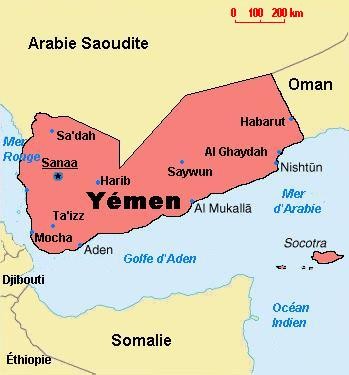
La ideología socialista se había extendido por el país y, en efecto, una comunidad importante de somalíes vivía en Adén, al sur del Yemen. Es decir, la ciudad a la que Gran Bretaña acostumbraba a enviar al exilio a todas las personas que consideraba peligrosas en la India: comunistas, nacionalistas, etc., que eran arrestadas y enviadas a Adén, donde se desarrollaron rápidamente las ideas nacionalistas y revolucionarias que afectaron después a los yemeníes y también a los somalíes. Con la presión de civiles de ideología marxista, los militares organizaron un golpe de Estado que llevó al poder en Somalia a Siad Barré.
¿Qué motivó el golpe de Estado?
El gobierno somalí era un gobierno corrupto que, sin embargo, tenía en sus manos todos los requisitos para convertir al país en una gran potencia de la región: situación estratégica, una lengua única, una sola religión y demás elementos culturales comunes. Algo que resulta muy raro en África. Pero al fracasar en el desarrollo económico del país, el gobierno creó un clima favorable a la división en clanes. Con el pretexto de dedicarse a la política, las élites somalíes se dividieron y crearon cada una su propio partido sin auténtico programa y reclutando sus electorados según los clanes existentes, lo que acentuó las divisiones y resultó totalmente inviable. Una democracia de tipo liberal no se adaptaba a Somalia: ¡en un momento dado hubo 63 partidos políticos en un país de tres millones de habitantes! Y el gobierno se sintió incapaz, incluso, de establecer una lengua oficial, lo que produjo graves problemas en la Administración. El nivel educativo era muy bajo, pero a pesar de ello se creó una burocracia, una policía y un ejército, que por otra parte, jugaron un papel fundamental en el golpe de Estado progresista.
¿“Progresista” con el ejército?
El ejército era la única institución organizada en Somalia. Como aparato para la represión, se suponía que debía proteger al supuesto gobierno civil y a las élites. Pero para muchos somalíes procedentes de familias de regiones distintas, el ejército era también un lugar de encuentros y de intercambios, en el que no existían fronteras, ni tribus ni división entre clanes… Y así las ideas marxistas traídas desde Adén empezaron a propagarse en el seno del ejército. El golpe de Estado lo prepararon oficiales ante todo nacionalistas que, sin tener buenos conocimientos del socialismo, sentían simpatía por sus ideas. Además, estaban al corriente de lo que ocurría en Vietnam y abrigaban sentimientos anti-imperialistas. Los civiles, buenos conocedores de Marx y Lenin, pero carentes de un partido político de masas, apoyaron el golpe y se convirtieron en asesores oficiales cuando los militares tomaron el poder.
¿Que cambios aportó el golpe de Estado a Somalia?
Un importante aspecto a resaltar fue que el nuevo gobierno adoptó de inmediato una lengua oficial. Además, tenía el apoyo de la Unión Soviética y China; los estudiantes y el pueblo se movilizaron; se mejoraron la educación y la situación social… los años inmediatos al golpe de Estado fueron así los mejores que Somalia haya conocido. Hasta 1977.
¿Qué cambió entonces?
Somalia, dividida por las potencias coloniales, atacó Etiopía para recuperar el territorio de Ogadén, donde los somalíes eran mayoritarios. Pero, en aquella época, Etiopía también era un Estado socialista apoyado por los soviéticos. El país había estado dirigido por el emperador Selassie, pero durante los años setenta la movilización para derrocarle había sido muy intensa y los movimientos estudiantiles- en los yo participé personalmente- planteaban cuatro reivindicaciones principales. La primera, resolver las tensiones con Eritrea de forma democrática y pacífica. En segundo lugar, llevar a cabo una reforma agraria que distribuyera la tierra entre los campesinos. La tercera, establecer el principio de igualdad entre las diversas nacionalidades: Etiopía, era todavía un país multinacional dirigido por una élite no representativa de la diversidad. Por último, abolir el sistema feudal y establecer un Estado democrático. Al igual que en Somalia, el ejército era la única institución organizada en Etiopía, y los civiles se unieron a los oficiales para derrocar a Selassie en 1974.
¿Cómo fue posible que dos Estados socialistas apoyados por la Unión Soviética se enfrentaran bélicamente?
Tras la revolución etíope, una delegación de representantes de la Unión Soviética, Cuba y Yemen del Sur organizó una mesa redonda, con la participación de Etiopía y Somalia, para resolver sus diferencias. Castro fue a Addis Abeba y a Mogadiscio y, según él, las reivindicaciones de Somalia estaban justificadas. Finalmente, la delegación etíope aceptó estudiar seriamente las peticiones de su vecino somalí y ambos países firmaron un acuerdo en el que se estipulaba que no habría provocación alguna mientras se tomaba una decisión. Las cosas parecían bien encarriladas pero Somalia no respetó el acuerdo…
Dos días después del regreso a su país de la delegación etíope, Henry Kissinger, ex ministro del presidente Nixon, desembarcó en Mogadiscio. Kissinger representaba a una organización no oficial: el Safari Club, que agrupaba al Irán del Shah, al Congo de Mobutu, Arabia Saudí, Marruecos y los servicios secretos franceses y paquistaníes. El objetivo de la organización era combatir la supuesta infiltración soviética en el Golfo y en África. Movido por las presiones y las promesas de ayuda del Safari Club, Siad Barré iba a cometer un desastre, un grave error estratégico: atacar Etiopía.
¿Cuáles fueron las consecuencias de esta guerra?
Los soviéticos abandonaron la región, y Somalia, todavía presidida por Siad Barré, se integró en la red neocolonial de las potencias imperialistas. El país había quedado gravemente afectado por el conflicto, y el Banco Mundial y el FMI se encargaron de su “reconstrucción”, lo que iba a agravar las contradicciones en el seno de la burguesía somalí. Cada una de las élites regionales aspiraban a tener sus propios mercados, lo que acentuó las divisiones entre clanes y contribuyó al desmembramiento progresivo del país hasta la caída de Siad Barré en 1990. Desde entonces, no ha habido ningún otro jefe de Estado.
Pero, treinta años después de la guerra de Ogaden, la situación se invierte: Etiopía, apoyada por Estados Unidos, ataca a Somalia…
Sí, tal como ya he dicho, desde el fracaso de la operación Restore Hope, Estados Unidos ha preferido mantener Somalia sumida en el caos. Sin embargo, en 2006, se desarrolló un movimiento espontáneo, que enarbolaba la bandera de los tribunales islámicos, para combatir a los señores de la guerra locales y rehacer la unidad del país. Fue una especie de Intifada. Para impedirlo, Estados Unidos decidió de repente apoyar al gobierno de transición somalí al que nunca había querido reconocer. De hecho, se dieron cuenta de que su plan de una Somalia sin un Estado real ya no era posible, y que un movimiento estaba a punto de conseguir la reconciliación del país, ¡y además era islámico! Con el propósito de sabotear la unidad del país, decidieron entonces apoyar al gobierno de transición. Pero como éste no disponía ni de una base social ni de un ejército, fueron las tropas etíopes, dirigidas por Washington las que atacaron Mogadiscio para acabar con los tribunales islámicos.
¿Lo consiguieron?
No. El ejército etíope fue derrotado y debió abandonar Somalia. Por su parte, los tribunales islámicos se disgregaron en diversos movimientos que todavía hoy controlan buena parte del país. En lo que respecta al gobierno de transición de Abdullah Yussuf, se desmoronó y Estados Unidos lo ha sustituidos por Sheik Sharif, antiguo portavoz de los tribunales islámicos.
¿Entonces Sheik Sharif se ha pasado al “otro bando”?
Él era el portavoz de los tribunales islámicos porque es un buen orador pero no tiene experiencia política, ni idea alguna de qué es el imperialismo o el nacionalismo. Por eso lo han recuperado las potencias occidentales. Era el eslabón más débil de los tribunales islámicos y hoy preside un pseudo gobierno, establecido en Djibuti. Un gobierno sin base social ni autoridad en Somalia y que se mantiene en la escena internacional porque le apoyan las potencias occidentales.
En Afganistán, Estados Unidos dice estar dispuesto a negociar con los Talibán. ¿Por qué no trata de dialogar con los grupos islámicos de Somalia?
Porque estos grupos pretender expulsar a los ocupantes extranjeros y conseguir una reconciliación nacional del pueblo somalí. Así que Estados Unidos quiere acabar con esos grupos, porque una reconciliación – bien sea a través de los movimientos islámicos o bien sea por medio del gobierno de transición- no sirve a los interese de las fuerzas imperialistas. Quieren el caos. El problema es que hoy este caos se extiende también a Etiopía, muy debilitada tras la guerra de 2007. Allí ha aparecido un movimiento de resistencia nacional que lucha contra el gobierno pro-imperialista de Addis Abeba. Con su teoría del caos, Estados Unidos ha provocado problemas en toda la región. Y ahora la emprenden con Eritrea.
¿Por qué?
Este pequeño país mantiene una política nacional independiente. Eritrea tiene también una perspectiva global de la región: el cuerno de África (Somalia, Djibuti, Etiopía, Eritrea) no necesita la injerencia de las potencias extranjeras, y sus riquezas deben permitirles establecer unas relaciones económicas nuevas, basadas en el respeto mutuo. Para Eritrea, esta región debe ponerse a la tarea y sus miembros deben discutir sus problemas. Pero está claro que esa política asusta a Estados Unidos que teme que otros países sigan el ejemplo. Por eso, acusan a Eritrea de enviar armas a Somalia y de promover disturbios en Etiopía.
En su opinión, ¿Eritrea no envía armas a Somalia?
¡Ni un solo cartucho! Eso es propaganda pura y dura, como la que se montó contra Siria en relación con la resistencia iraquí. La visión global de Eritrea se ajusta al proyecto de revolución para el océano Índico de la que hemos hablado antes. Las potencias occidentales no lo aceptan y aspiran a meter a Eritrea en el círculo de los Estados neocoloniales que controlan, como Kenia, Etiopía o Uganda.
¿No hay terroristas en Somalia?
Las potencias imperialistas siempre califican de terroristas a los pueblos que luchan por sus derechos. Los islandeses eran terroristas hasta que firmaron un acuerdo. [Mahmud]Abbas era un terrorista, ahora es un amigo.
Sin embargo se habla de la presencia de Al Qaeda
Al Qaeda está por todas partes, ¡desde Bélgica a Australia! Esta Al Qaeda invisible es un logotipo destinado a justificar ante la opinión pública las operaciones militares. Si Estados Unidos dijera a sus ciudadanos y a sus soldados: “ Vamos a enviar nuestras tropas al océano Índico por si hay que enfrentarse a China”, por supuesto que la gente tendría miedo. Pero si dicen que se trata de luchar contra los piratas y contra Al Qaeda, no les plantea problemas. En realidad, el auténtico objetivo es otro. Se trata de desplegar fuerzas en la región del Índico que va a ser el escenario de conflictos de más importancia en los próximos años. Pero eso lo analizaremos en el capítulo siguiente…
Gregoire Lalieu y Michel Collon
Traducido por Felisa Sastre, extraído de Rebelión.


 Zwölfnächte, Rauhnächte, Rauchnächte, die Nächte zwischen dem 25.12. und 6.1. Sie sind eine Zeit der Wiederkehr der Seelen, der Wilden Jagd und des Erscheinens von Geistern, die bewirtet oder durch Räuchern, Lärmen oder Kreuzeszeichen abgewehrt werden. Jeder dieser Tage soll als Lostag Vorbedeutung für Wetter und Schicksal im betreffenden Monat des folgenden Jahres haben.
 del.icio.us
 Digg
Digg Facebook
 Yémen : ripostes saoudiennes
 Andreas Mölzer:
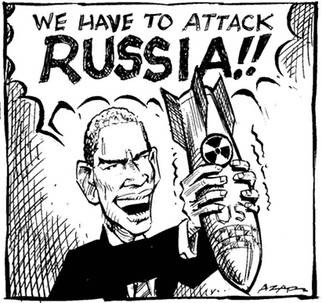 Obama accepte le prix Nobel de la paix et plaide pour la guerre permanente
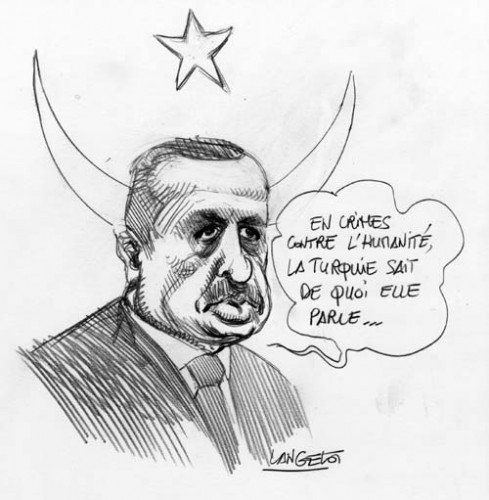 Erdogans neue Finte
 La hiperimpotencia americana
 PRESSESCHAU
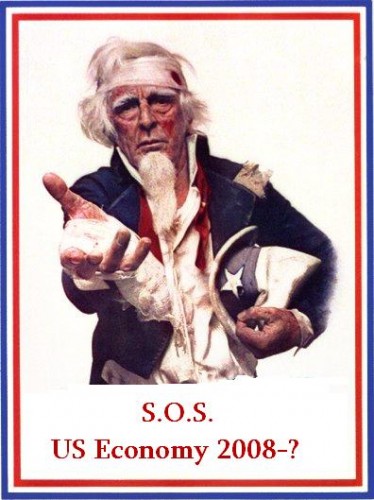 An Alternative to the American Empire of the New World
 Presseschau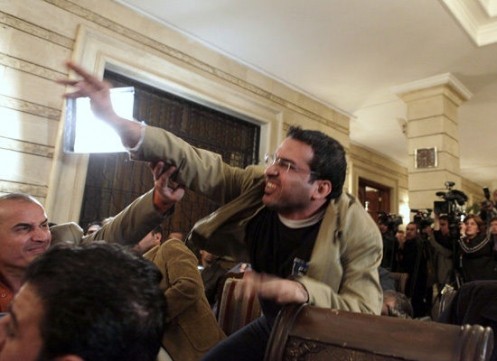
![Questions Internationales n°40 Novembre/Decembre 09 HQ [Hotfile]](http://www.movizdb.com/imgnews/55801-2911_movizdb.com.jpg "Questions Internationales n°40 Novembre/Decembre 09 HQ [Hotfile]")

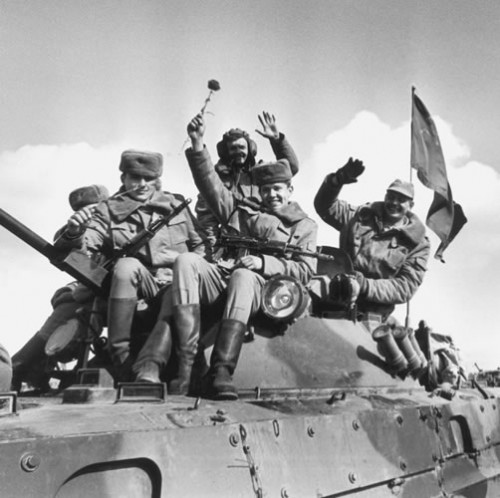 Afghanistan 1979
 L’appel des Alpes
 Le coût de la pré-adhésion turque
 desestabilización de Oriente próximo y de oriente medio y origen del colapso soviético en la praxis geopolítica estadounidense